A few days ago, I was invited as a guest to a school function. It wasn’t something I particularly wished to attend. Not that I was against going, but amid the hundred things I involve myself in, such events usually end up at the bottom of my list. Yet I went, persuaded by an older poet-friend. This poet-friend of mine is a celebrated figure, admired across the state, and quite the party-lover too. Whenever you accompany him to an event, it almost always ends in a lavish celebration. He had originally agreed to visit the school with another poet, but when that friend fell ill and was hospitalised, he had to find a replacement in haste. I declined at first, but he persisted. His friendship and affection are a mighty force, generous, all-embracing, and with a special warmth reserved for me. So, with a reluctant heart, I agreed. The school […]

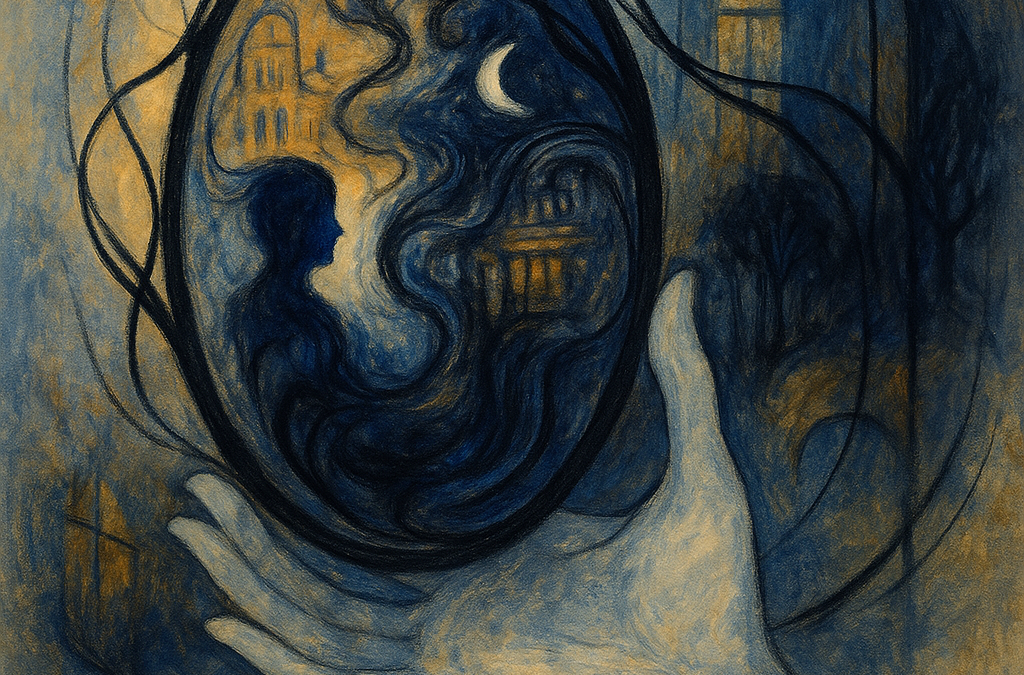
In Ovid’s 2000-year-old Latin epic Metamorphoses, Narcissus is so beautiful that, while still a child, a fortuneteller warns his mother, “Nurture him so he never looks at a mirror. If he does, he’ll fall victim to his own infatuation.” The fortuneteller was old and blind! True to the prophecy, Narcissus grows up unaware of his own beauty, never having seen his reflection. However, one day, he sees his image in the clear water of a pond. Spellbound, he cannot look away; he forgets food, drink, and the world outside, and in that self-enchantment, he loses his life. When creating a character, a writer must remember that a character’s outward appearance and inner essence can both echo Narcissus. If the storyteller gazes too deeply inward, the character sheds the very skin with which it meets the world, shrinking from sunlight and seeking the safety of darkness. Worse, bewitched by its own […]
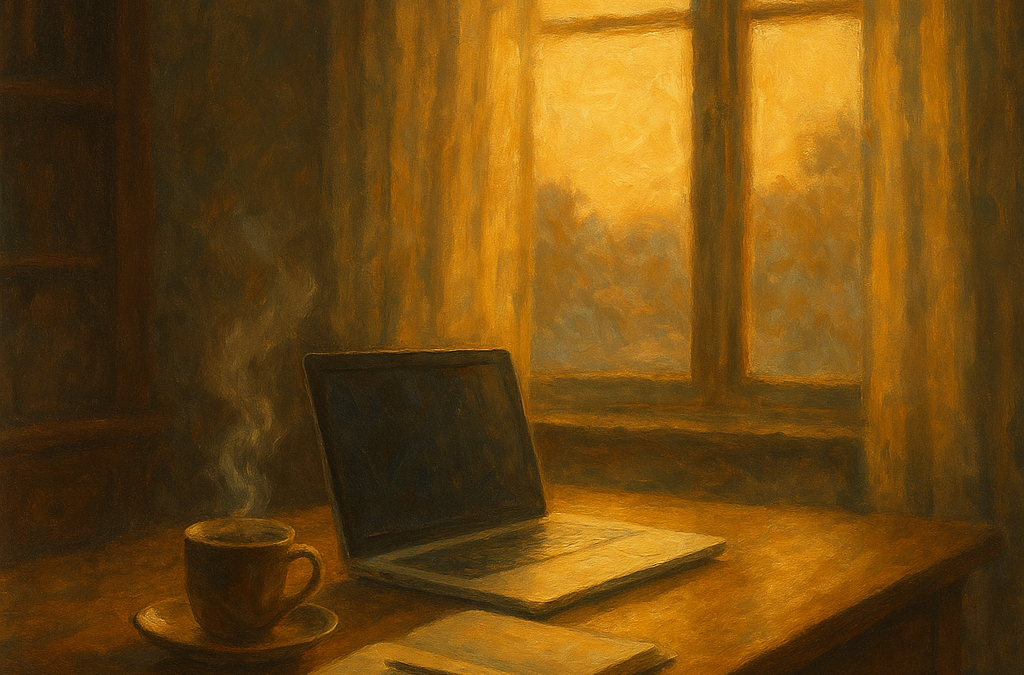
A common question I am asked at nearly every literary gathering is this: How do you juggle life as an IT engineer and a novelist? I never seem to provide an answer that satisfies either camp. Writers and engineers alike quietly dismiss whatever I say. Writing novels and engineering software are such disparate domains that the possibility of mutual understanding, let alone peaceful coexistence, seems non-existent. Anyone who tries, as I do, soon pays for it with their health. Take my own routine. I write or read at five in the morning, accompanied solely by a strong filter coffee. By the time dawn breaks through the window of my east-facing study, I must step away. My son needs to be prepared for school, and I, too, must get ready. This routine, cultivated over many years, has become so deeply ingrained that even if offered time during other parts of the […]
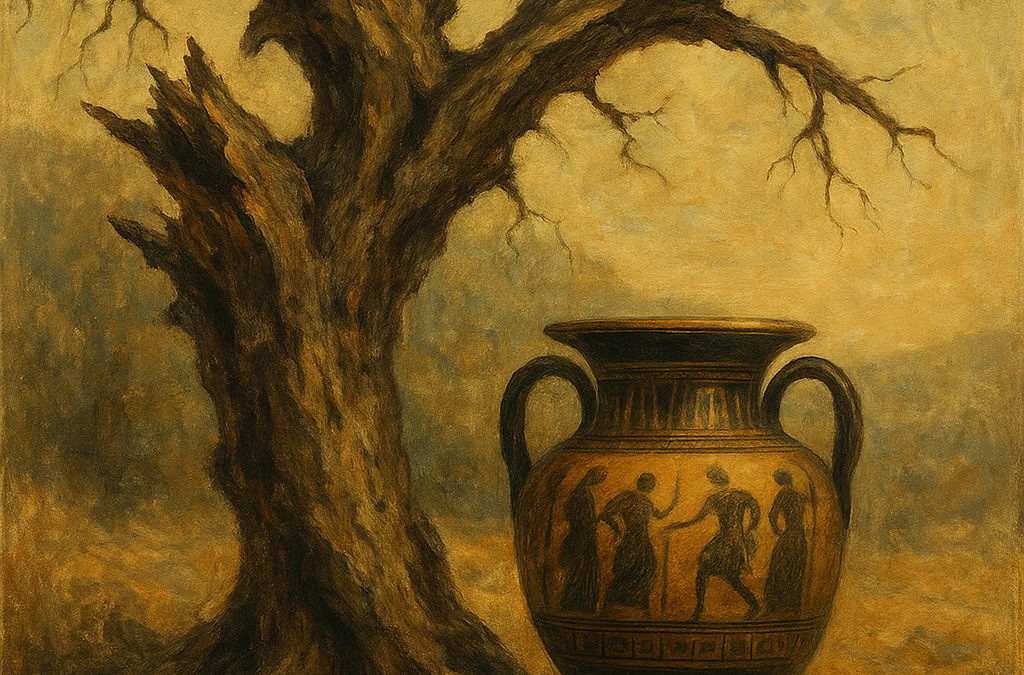
Kannada’s celebrated poet Bendre says in a poem that for a poet to hum a song, even a broken tamarind tree is enough. John Keats, in his poem Ode on a Grecian Urn, sings beautifully of the paintings adorning an ancient urn. These images depict the rustic and pastoral life of ancient Greece. Yet, what does an urn truly carry? The ashes of the dead. That is the truth. The poem concludes with the immortal line: “Beauty is truth, truth beauty”. This aligns with Vedanta’s “Satyam Shivam Sundaram”. Keats equates beauty and truth; to speak of beauty is to speak of truth, and to speak of truth is to speak of beauty. They are not to be sought separately. Both Bendre and Keats show us that a writer need not search far and wide for a subject; every fragment, every atom of this world offers itself as a subject for […]